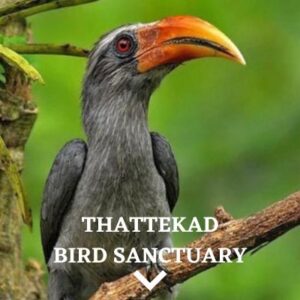
Western Ghats Endemic Birding Tours..
The Western Ghats mountain ranges located in the south of Indian peninsula is a bio diversity hotspot. This 1600 kms long forested low mountain range is a UNESCO world heritage site and home to some of the major wildlife sanctuaries and national parks in India.
The western Ghats is a must visit destination for any serious birder, as it is home to more than 25 endemic bird species. 17% of world’s Bengal Tigers and 30% of Asiatic elephant population roams these mountains.
Southern Western Ghats birding trip report..
We did an endemic birding trip in the western ghats of south India in January 2026. Our 12 nights and 13 days birding trip was organized by Mr. Jomon from Thattekad Trails. Here is a detailed trip report of our birding and photography journey that started at Cochin Airport and Concluded at Bangalore Airport.
Day 1-3, Thattekad.
Arrived at Cochin Airport at 10:30 am, from Delhi. Our accompany guide for the entire trip, Mr. Jomon and driver Mr. Shaan were at the airport to receive us. It was a 1:30 minutes drive to Thattekad. The resort we were staying was very close to the Thattekad bird sanctuary. As soon as we entered the property, we spotted White-cheeked barbets and Malabar-grey hornbills feeding on the guava fruit tree. I was amazed by the size of Malabar giant squirrels who were not bothered about human presence.
After lunch we had a short rest, as Thattekad is quite hot and humid during mid day. Our first guided birding session started at 3:00 pm. We went to the Salim Ali bird sanctuary which was only 10 minutes walk from our accommodation. Malabar parakeet, White-bellied treepie, Malabar starling, Flame-throated bulbul, Malabar Flame back, Heart-spotted woodpecker, Black-throated munias we all lifers to us.
We left for the nocturnal birding session at 6:15 pm, after a short tea break. The birding area was not far. It was a dry looking rocky open forest area with several other guides and clients waiting for the sun to go down. Once the light became low, suddenly the surrounding became alive with the sound of Jerdon’s nightjar. We had great views of Jungle nightjar, Brown boobook, Indian scops owl, Jerdon’s nightjar and Great eared nightjar.
Second and third day birding programs were almost similar. Having early breakfast and starting at 7:00 am, coming back by around 11:oo am. After lunch and some rest, going out by 3:00 pm and back for tea snacks by 5:45 pm. Again starting at 6:15 pm for nocturnal birding, to be back by 8:00 pm for dinner. Srilankan Frogmouth, Malabar trogon, Srilankan Bay owl, Malabar starling, Crimson backed sunbird, Black Bazza, Grey-fronted green pigoen, Nilgiri Flowerpecker, White- bellied treepie were some of the main target species. During the nocturnal sessions, we were able to see Mottled wood owl, Spot-bellied eagle owl and Oriental scops owl.
Day 4 & 5, Periyar.
After a short morning session and breakfast, we packed up and started our 4 and half hours journey to Periyar tiger reserve. We reached the hotel by 6:00 pm only as we had stopped at a couple of places for tea break and sight seeing.
The next day morning, after a quick breakfast, we started at 6:30 am as our trail was booked for 7:00 am. Periyar, being a tiger reserve have designated trails and limited slots available for guests. Tickets had been booked online by Jomon in advance. We put on leech socks provided by the park and followed the park guide who was very friendly. Our early morning walk along the forested banks of pristine Periyar lake was a wonderful experience.
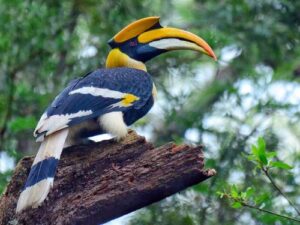
Great Indian hornbill was the remarkable sighting on that trail. Malabar imperial pigeon, paddy field pipits, pin tailed snipe and several other water birds were also spotted. We were lucky to spot a herd of wild Asiatic elephants and a few Indian Gaur. We returned to the hotel for lunch and some rest before setting out for afternoon session.
We left the hotel at 2:30 pm for the afternoon session. A different trail was booked for afternoon and our main target was the endemic Waynad laughing thrush, which is seen only in a very small area of the southern western ghats. Rufous babbler, Oriental scops owl and several flycathers were among the initial sightings. Finally after a long trek along the trails, we were fortunate to get a decent view of the highly endemic Waynad laughing thrush.
Day 6 & 7, Munnar.
On day 6, after an early morning breakfast, we checked out and started journey towards Munnar. We drove down the winding roads of western ghats in to the plains of Tamilnadu. The landscape was quite flat with straight roads and vast agricultural land. We stopped at a few locations on the route to observe Black-winged kite, Glossy Ibis, Black-headed Ibis and a few other water birds. After driving parallel to the western ghats for a few hours, we drove up the Bodi ghats, where spotted Yellow throated bulbul, Booted eagle and some other raptors.
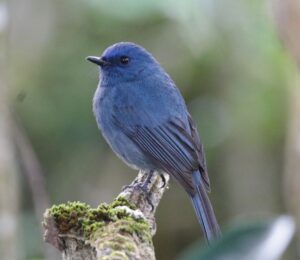
We checked into the resort at Munnar by around 1:30 pm. After lunch and some rest our guide picked us for the afternoon session. Evening birding was mostly along small patches of shola forests along the roadside. Palani laughing thrush, Indian Scimitar babbler, Nilgiri flycatcher, Nilgiri woodpigeon were among the highlights.
On day 7 morning, we went to Eravikulam national park which is a sanctuary for Nilgiri Tahr. Nilgiri Tahr is an endemic and endangered mountain goat species found along the high elevations of southern western ghats. Apart from the Nilgiri Tahr, endemic Nilgiri Langurs, Nilgiri Pipit, Painted bush quail, Black and orange flycatcher, White-bellied Sholakili, Hill Swallows were among the targets. Lunch break was followed by afternoon session.
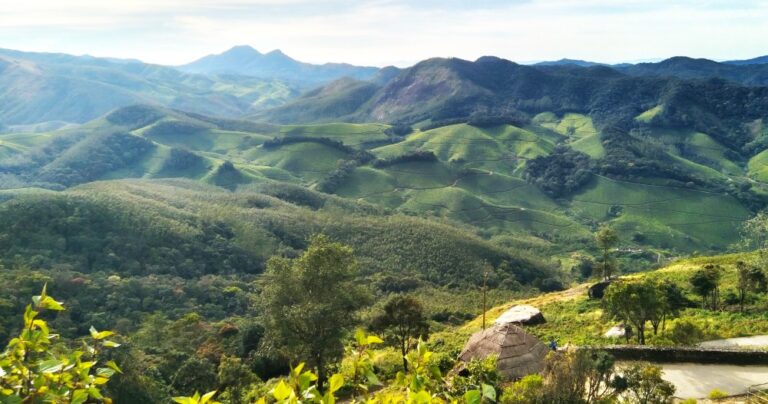
Day 8 & 9, OOtty.
On day 8, we started early from Munnar to reach Chinar sanctuary for morning session. Chinnar is on the eastern slope of Western ghats, which is a rain shadow region. Here the vegetation is a mix of moist and dry deciduous and scrub forests. Endemic grizzled giant squirrels and Tufted-grey langurs are seen here. Blue-faced malkoha, Sirkeer malkoha, Changeable hawk eagle, White-browed bulbul, Tawny-bellied babbler were the main sightings.
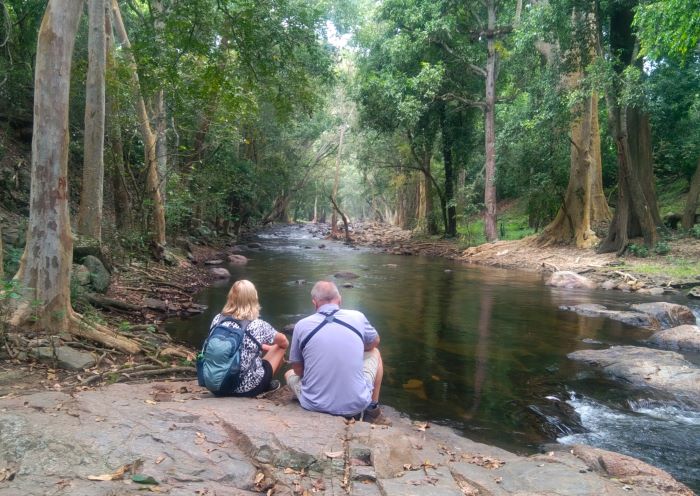
After a light breakfast at the cafeteria, we started our long drive through the plains of Tamilnadu towards the Nilgiri hills. On the way we stopped at at a couple of water bodies to look at some common water birds and lunch break. Reached our hotel in Ooty by around 7:00 pm.
Next day we woke up to a cold morning. Ooty is by far the coldest location on this birding trip. We drove to Dodabetta park which is very close to the town. Painted bush quail, Nilgiri woodpigeon, Indian black bird and after searching for time, we saw the elusive Nilgiri Thrush. For afternoon session we went to Sims Park which was more than 30 minutes drive from the hotel.
Day 10 & 11, Masinagudi.
On day 10, after breakfast we went to Ooty Botanical Gardens for our morning birding session. We came back to the hotel, checked out and started our drive towards Masinagudi via Gudallore. Masinagudi is a small village inside Bandipur Tiger Reserve. Region is mostly dry with dry deciduous and scrub forest. After check in and a small tea break we did some bird watching in an around the resort. There we found Indian Nuthach, Booted warbler, Sykes Warbler, Brahminy Starling and spotted Owlet. We were warned not to get out of our rooms after dark as tigers had been spotted inside the property a few months back.
Next day morning we were joined be a local guide who was also a safari jeep driver. The old style open roof four wheel drive jeep turned to be very helpful in the forest trails of Masinagudi as tourists were not allowed to get down from the vehicles because of safety regulations. Not far away from the resort, we saw a heard of wild elephants up close. Our first sighting of Asiatic wild elephants on this trip. We spotted Grey Francolin, Barred Button Quail, Small Minivets, Fantails and two species of vultures, Indian Vulture and White-rumped Vulture.
In the evening we went to a local waste dump yard to find Greater spotted Eagle, Indian spotted Eagle, Tawny Eagle, Steppe Eagle and lots of Black Eagles along with Woolly- necked Stork and Black-headed Ibis.
Day 12, Mysore.
Next day morning we did one more jeep safari before leaving for Mysore. This time we spotted White-bellied minivet and Malabar lark which were on our target list. After a late breakfast we checked out from the resort. Reached our hotel in Mysore by lunch time. Afternoon birding was planned around an open farm land just outside the city. Indian Eagle Owl, Indian grey Hornbill, Wire-tailed Swallow, Jerdon’s Bush lark were the prominent spottings.
Day 13, Bangalore.
After breakfast, we started our journey towards Bangalore city. Our first stop was the Ranganathitthu bird sanctuary, a popular place for water birds. Here one could see Spot-billed Pelicans, Painted Storks, Indian Cormorant and Egrets in large numbers. We took a small boat ride in the lake to spot Streak-throated Swallows.
After lunch we continued our journey to stop at Ramnagara, a small sanctuary for vultures. There were not much Vultures but we spot one Indian Vulture there. Reached our hotel near the Bangalore airport by late evening. After fresh up four of us went to a nearby restaurant for dinner and to celebrate the success of our Western ghats endemic birding trip. Next day morning we were dropped at airport for our flight back home.
Find out more about Western Ghats endemic birding and other south Indian tour itineraries and travel plans.
FAQs..
What is the duration of Western Ghats endemic birding trip?
Duration of our South Indian endemic birding trips can range from 12 nights/ 13 days to 14 days/ 15 nights, depending on the locations included.
What are the minimum and maximun number of participants required for the trip?
We can organize the Western Ghats endemic trip even for a single person. With at least two or more participants, the trip will be much economical. Maximum number of participants are limited to 6, so that individual attention wont be compromised.
Which is the best time to do Western Ghats birding and what are the tour dates?
October to March is the best season to Visit Western Ghats.
Our birding tours are not pre announced fixed date trips. We arrange customisable birding tours as per client requirements.
Which are the places covered in this Western Ghats birding tour?
Endemic birding in Southern Western ghats is spread across the southern states of Kerala, Tamilnadu and Karnataka.
Primary birding hotspots include- Thattekad, Periyar, Munnar, Chinnar, Valparai, Ooty, Masinagudi, Ranganathittu.
Which are the starting and finishing locations of south Indian Endemic birding trip?
Our Western Ghats birding trips can be organized in two different routes.
1-Starting from Cochin International Airport and Finishing at Bangalore Airport.
2-Starting at Bangalore Airport and finishing at Cochin.
Which are the highlight species of Western Ghats endemic birding trip?
Western Ghats is home to a large number of endemic birds, mammals, reptiles, amphibians and plants.
Nilgiri sholakili, Nilgiri flycatcher, White-bellied sholakili, Palani laughing thrush, Nilgiri laughingthrush, White-bellied flycatcher, Malabar trogon, Nilgiri woodpigeon, Nilgiri flowerpecker, Malabar Parakeet, white-bellied minivet are only a few among the 25+ endemics of the region.
We can spot around 260-280 bird species in total during a south Indian birding trip. Animals like Indian Gaur, Asiatic Elephant, Sloth bear, Nilgiri Langur, Lion-tailed Macaque, Grey Langur, Malabar giant squirrel can also be spotted.
Will professional guides be available?
Well experienced professional bird guide will be accompanying you through out the trip, right from the airport.
Is this western ghats birding tour good for bird photography?
Our birding trips can be customized for bird photography enthusiasts.
How physically demanding is the trip?
Our programs are designed to be relaxed birding trips, suitable for most fitness levels. Most of the walking trails will be flat without much hiking.
What will be the cost of a typical western ghats birding trip?
We organize birding trips in economy and premium budgets, depending on the client’s preferences.
A typical 12 nights/13 days Western Ghats birding trip will cost around 3000 USD for 2 pax.